What the Tumbler Market Actually Looks Like Right Now — and Where Wholesale Opportunities Are
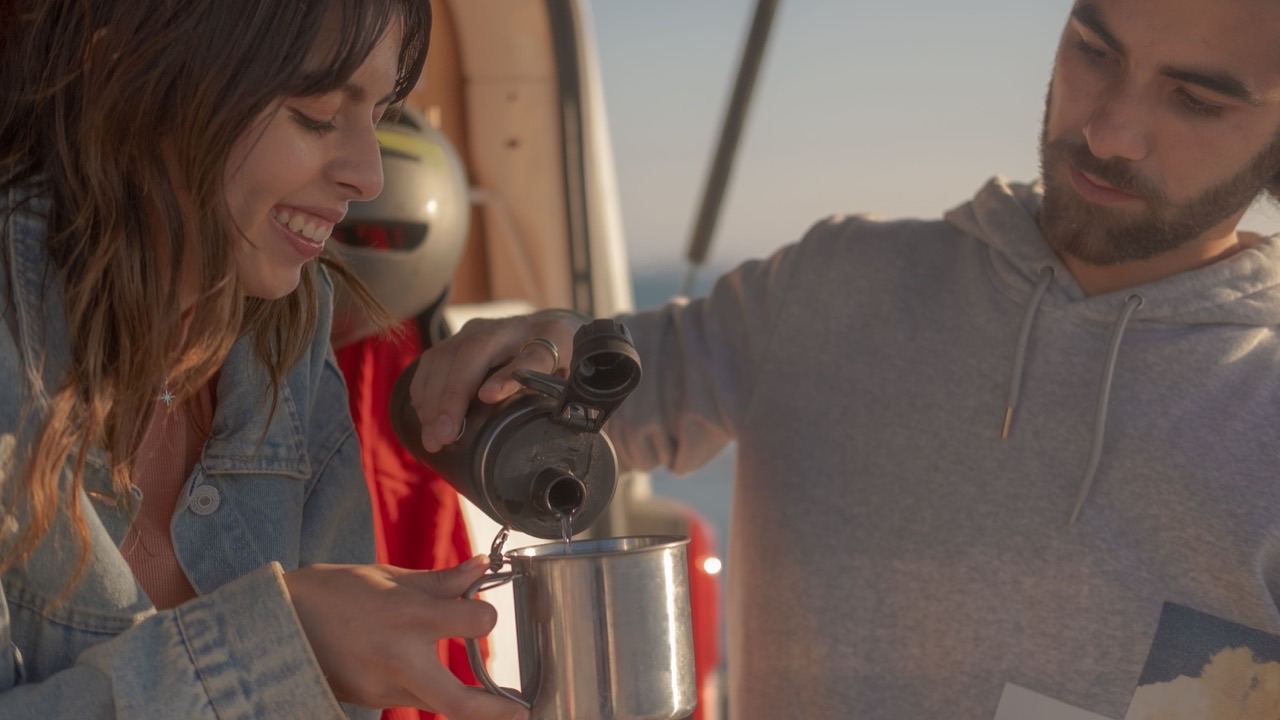
The tumbler category has gone through enough hype cycles in the past few years that it’s worth separating what’s actually happening in the market from what’s still running on momentum from the last trend wave. The Stanley Cup phenomenon created a spike in consumer and wholesale interest that pulled a lot of new buyers into the category. Some of that interest stuck; some of it didn’t. What remains is a more mature market with clearer demand patterns — and clearer opportunities for wholesale buyers who understand what’s actually moving.
The volume is real, the premium segment is competitive
Total demand for insulated drinkware at wholesale isn’t declining. The category is now embedded in daily routines for a large enough share of the population — commuters, gym-goers, office workers, outdoor enthusiasts — that base demand is relatively stable. What has shifted is the competitive dynamic at different price points.
The ultra-premium end of the market ($50+ retail) is dominated by a handful of established brands with loyal followings and strong retail distribution. Breaking into that segment requires brand investment that’s beyond what most wholesale buyers are positioned to make.
The mid-market ($15–$35 retail) is where wholesale opportunity is most accessible. This is where private label products, promotional merchandise, and corporate gifting programs operate. Margins are thinner than the premium segment, but volumes are significantly higher, and buyers at this level are less brand-loyal — they’re buying based on spec, price, and reliability of supply.
The value end ($8–$15 retail) has compressed significantly as the category scaled. Margins here are under constant pressure from direct import competition, and differentiation is hard. Buyers in this segment compete primarily on price and are the most vulnerable to supply chain disruption and quality inconsistency.
The formats that are actually selling
Within the tumbler category, format preferences have become clearer over the past two years. A few things stand out.
Larger volumes — 30oz, 40oz, and above — continue to perform well in the North American market, driven by the hydration culture that the Stanley trend accelerated. The 40oz tumbler with handle has become a standard retail item rather than a novelty, and wholesale demand for this format reflects that.
Slim can coolers and smaller 12oz–16oz tumblers have found a stable niche in the beverage-specific segment. These are bought specifically for beer, soda, and slim-can beverages, and they sell consistently at outdoor events, sporting venues, and through promotional channels.
Mugs with handles are recovering market share that was temporarily lost to handleless tumbler designs. The mug form is more appropriate for desk use and hot beverages, and buyers sourcing for office environments and corporate gifting have drifted back toward this format.
Tumbler sets — matching pieces sold together — have shown growth in the gifting segment. A coordinating pair of tumblers or a set combining a tumbler with a matching water bottle appeals to gift buyers who want perceived value above individual unit price.
Where the wholesale opportunities actually are
Corporate and promotional merchandise remains one of the most reliable wholesale tumbler channels. Companies that buy branded merchandise for employee recognition, client gifting, trade shows, and internal events are consistent buyers with defined budget cycles and repeat order patterns. Tumblers are a near-universal choice in this category because they’re gender-neutral, used daily, and carry branding that remains visible over the product’s lifespan.
Food service and hospitality is a smaller but growing channel. Coffee shops, hotels, and restaurant groups that want to sell or provide branded drinkware to customers have moved significantly toward insulated stainless tumblers as the standard option. The product needs to hold up to commercial use and washing cycles, which pushes buyers in this channel toward higher-spec products.
Outdoor retail and specialty sporting goods channels want products that can justify outdoor or rugged positioning — either through product features (genuine double-wall insulation with measurable performance) or design positioning. Buyers in this channel are more specification-conscious than promotional merchandise buyers and require more detailed product information.
The sustainability angle is becoming a real purchase driver
A shift that’s worth noting for wholesale buyers is that sustainability positioning has moved from a nice-to-have to an actual purchase driver in certain segments. The corporate gifting market has seen a measurable increase in buyers who specify that products must be sustainable or eco-friendly — and a reusable stainless steel tumbler is a straightforward fit for that requirement.
This isn’t primarily about material certifications or environmental claims. It’s about the narrative that comes with a reusable product: one stainless tumbler replaces hundreds of disposable cups over its lifespan, and that story is both true and useful for buyers who need to justify their purchase to internal stakeholders or communicate it to end recipients.
Products positioned around this story don’t require a premium price point to make it work — the story itself is the differentiation. Wholesale buyers sourcing for corporate and institutional markets should consider whether this positioning is available to their product and worth communicating in how they present the product to their own customers.
What’s not working as well
Fashion-forward, color-driven tumbler buying — the behavior that drove the Stanley spike — has cooled. That doesn’t mean color is irrelevant, but the expectation that a new colorway alone drives demand has been corrected by the market. Color is still a product decision, but it’s not a sales strategy on its own.
Heavily branded generic designs that don’t have the recognition of established brands and don’t offer meaningful functional differentiation are moving slowly. The middle of the market is competitive enough that “a tumbler with your logo on it” is no longer sufficient positioning without either a price advantage or a product differentiation.
For buyers sourcing wholesale tumblers, the clearer picture the market is offering right now is actually an advantage. The categories with real demand — corporate gifting, food service, outdoor and active lifestyle, promotional merchandise — are accessible with the right product specification and the right price positioning. The hype is gone, which means what remains is actual market demand. That’s a better foundation for a wholesale business than trend momentum.