What a Cracked iPhone Camera Lens Actually Costs — Repairs, Resale, and the Math on Protection
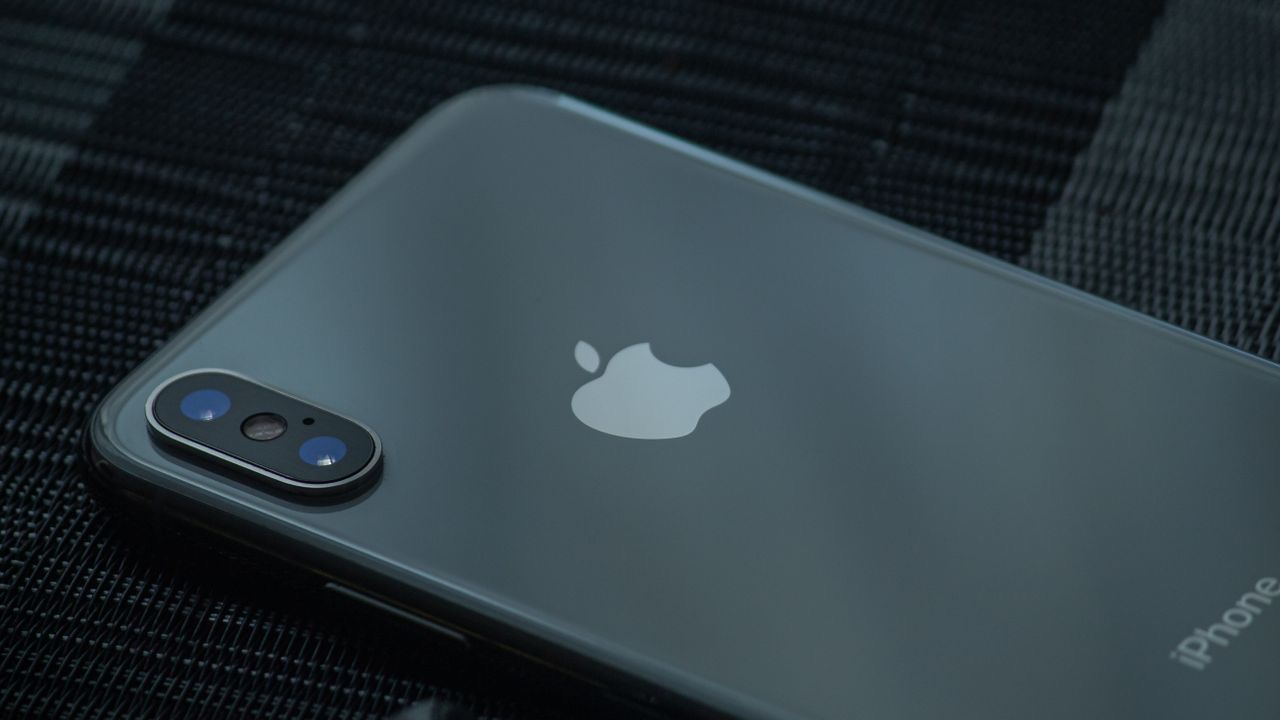
Most people who crack their iPhone screen know roughly what the repair is going to cost before they even call the Apple Store. Camera damage is less discussed, but it follows a similar pattern: a drop at the wrong angle, a chip in the lens housing or cover glass, and suddenly a decision that didn’t seem worth making before — lens protection — looks different in retrospect.
Running the actual numbers on camera repair versus prevention changes the calculation in ways that the vague “protect your investment” framing doesn’t capture. The cost comparison is specific enough to be useful.
What camera damage actually costs to fix
Apple’s out-of-warranty repair pricing for iPhone camera damage varies by model, but across recent iPhone generations, a rear camera repair (which includes the module, not just the lens cover) runs between $149 and $549 depending on the model and whether you have AppleCare+. The camera module is not a field-replaceable component in the same way the screen is — it’s part of an integrated repair that requires the whole rear camera assembly.
For in-warranty or AppleCare+ repairs, camera damage that results from accidental drop is covered with a $99 service fee in most cases, but you’re limited to two incidents per year. After that, out-of-warranty pricing applies regardless of coverage status.
Third-party camera repairs are available at substantially lower cost from authorized repair shops, but camera replacement on recent iPhones involves components that are paired to the device at the software level. An unpaired camera module may produce images that work but don’t calibrate correctly with the rest of the imaging system, or may trigger notifications about non-genuine parts. This is a real limitation on the third-party repair option that didn’t apply to iPhones from a few years ago.
The resale value angle is more immediate
For most iPhone owners, the camera damage scenario that’s most likely isn’t complete lens failure — it’s visible wear and cosmetic damage to the camera housing that shows up as a condition issue when they try to sell or trade in the phone.
Trade-in values for iPhones in “good” condition versus “fair” condition differ significantly. Apple’s trade-in program, for example, assigns different values based on the phone’s cosmetic state, and a chipped camera housing or visibly scratched lens cover typically pushes a phone into the lower condition tier. For an iPhone 14 Pro, the difference between good and fair condition at Apple’s trade-in rate has historically been $80–$150. For models evaluated by third-party buyback programs, the gap can be larger because those programs apply their own condition criteria.
The camera is one of the more visible elements that buyers and trade-in evaluators look at when assessing a used iPhone. A screen scratch on the back is one thing; the camera bump shows the lens glass and housing in a way that’s immediately visible. Condition issues there affect perceived care level for the entire device.
What an iphone camera cover actually costs
A quality lens protector for a current iPhone model runs between $8 and $20 depending on the brand and whether it includes alignment tools and anti-reflection coatings. A multi-pack from a reliable mid-tier brand typically costs $10–$14 and includes two or three sets, covering the phone for multiple protection cycles or providing replacements if one gets damaged.
Against a $100–$150 resale condition penalty or a $99+ repair service fee, the cost comparison isn’t subtle. A well-chosen iphone camera cover costs less than the deductible on a single AppleCare+ camera repair event, and it prevents the condition grade drop that reduces trade-in value regardless of whether damage is severe enough to warrant a formal repair.
The installation factor
One practical friction point with camera protection is that a badly installed protector introduces its own problems: reduced image quality from dust trapped under the glass, flare from imprecise optical alignment, or corner lifting that collects debris and eventually compromises the lens housing it was supposed to protect.
Installation quality matters more for camera protectors than for screen protectors because the optical tolerances are tighter and the consequences of a misaligned or contaminated protector affect every photo taken until it’s replaced. The extra dollar or two for a product that includes an alignment frame — a tool that locks the protector in position during application — is usually worth it. The included cleaning kit (alcohol wipe, microfiber cloth, dust remover sticker) needs to be used in the correct sequence, and the final application step should happen immediately after dust removal rather than after a pause that lets particles resettle.
A well-installed protector on day one costs less than a rushed replacement installation that lets dust in during the second attempt.
Case compatibility is worth checking first
The other practical consideration before buying is whether your current case creates clearance issues. Many iPhone cases designed for the camera bump leave minimal clearance around the lens housing. Adding 0.25–0.35mm of protector thickness may make the case camera cutout interfere with the protector edge — in some cases creating pressure that causes the protector to lift, in others simply making the protector impossible to seat flush.
Cases specifically designed to accommodate camera protectors, or cases from the same brand as the protector, solve this. Cases with wide camera cutouts — a deliberate design choice for some case manufacturers — also work. The time to check this is before you apply the protector, not after.
The practical summary
The case for camera protection is most straightforward when you look at it from the resale angle rather than the catastrophic-damage angle. Most iPhone cameras don’t die from a cracked lens cover; they accumulate condition wear that affects trade-in value two years later when you’re upgrading. A lens protector applied at the beginning of a phone’s life prevents that wear at a cost that’s a small fraction of the value it preserves. The preventive logic is simpler than the repair-cost comparison, and it applies even to people who never plan to need a formal camera repair.